

“I’m passionate about bringing ecoliteracy to the art sector. Creatives, if informed with basic ecoliteracy (ecological knowledge), can develop inclusive work to help us all reflect and envision the more beautiful, just and better world we know is possible.
Bringing ecoliteracy to the creative sector and art education, is an urgent yet rewarding and meaningful task giving us agency to address the entangled environmental & social justice harms of the ecological emergency.”
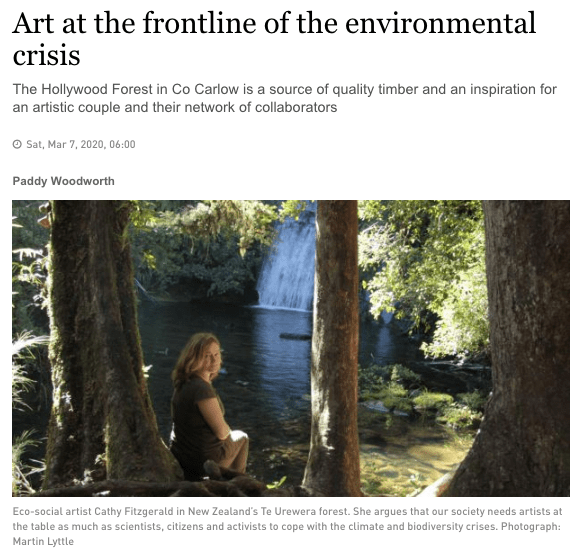
My name is Cathy Fitzgerald, and I’m an Irish-based New Zealander living in rural Ireland these past 30 years.
Since the late 1990s, I have been inspired by the emergent art and ecology field in visual culture, and later, more specifically, in contemporary ecological creative practice and research.
The key to my own understanding that creative practices need to swiftly develop ecoliteracy comes from my early career in research science, which connects to my intuition that I sensed as a child– that there is inexplicable power and magic in creative practice to help us understand our place in the world. I was blessed too, growing up in Aotearoa New Zealand – I’ve long been inspired by its pristine, stunningly beautiful, bird-filled forests.
This diverse background in both science and art means I have perhaps realised sooner than most that art has a critical role for today’s ecological emergencies and that I have unique insights to share with the creative sector.
Importantly, my background in science means I can navigate the often confusing array of environmental science we read in the media and connect this with the latest developments in the art and ecology field.
I also understand the imperative of new expanded environmental ethics that must underline cultural responses.
Furthermore, ecological insights underline that environmental and social concerns are always connected. To this end, I understand why collaboration with non-art others who have local and expert knowledge of places is essential to develop rich ecological art practices and events. And why intersectional politics must inform creativity in this area.
Many of these insights I have gained in the challenges I faced in developing and sharing the workings of an effective eco-social art practice.
But I also know firsthand the social power and potential of ecoliterate creative practice. These practices foster inclusivity and agency for myself and my audiences with real-world, aesthetic-socio-political outcomes.

My ecological, my ecosocial art practice, evolved over many years
My considerable expertise in the art and ecology field is built on my work in research science, contemporary art practice and research and arts professional development.
My ecological art philosophy, my eco-social art practice rests on many diverse forms of knowledge and experience in my work in art and non-art fields.
I worked in Aotearoa NZ science research for almost a decade from the mid80s, then following a move to Ireland, the home of my ancestors, I worked with Crann – the Irish native forest NGO (1996-8). This work instilled an ecological ethos in my career. I then gained contemporary art qualifications (BA, MA, PhD in Fine Art in Visual Culture). I have worked for the local Carlow Kilkenny Green Party from 2004-7 and worked on innovative national Irish Green policy development (forest policy and ecocide law motion during 2010-13).
In 2007, I went on to manageaan innovative Irish regional professional development programme for creatives (ArtLinks.ie, 2007-10) and was a board member of the National College of Art & Design, 2009-11. After that I successfully advanced an accessible theory-method framework to more easily understand and appreciate the social power of art and ecology practices from creative-led art practice doctoral research based on my Hollywood Forest Story work (Fitzgerald, The Ecological Turn, 2018). All of these experiences I can recognise as developing an eco-social art practice.
Initially, it took years for me to create an ecological practice–a practice that fully responds to ecological insights–as such knowledge was scarce in art education because it radically challenges conventions in art practice and education generally. An ecological art practice requires knowledge of ecophilosophy, environmental science, expanded Earth-aligned ethics and much more (these are the fundamental topics I teach in my Haumea courses and workshops).
Much of my knowledge of ecological creative practice is embedded in my Hollywood Forest Story work, ongoing since 2008. It’s the story of my learner efforts to transform the small monoculture conifer plantation I live with, into a thriving ecological forest. There are many environmental, ethical and social dimensions to ecological art practice – I call ecological art practice in my research and teaching ‘eco-social art practice’ because these practices always involve social skills of mutuality, in building and maintaining relations with others in their places.
I see my facilitating ecoliteracy through Haumea Ecoversity as another facet of my ecological, eco-social art practice. It’s my contribution to help others and to radically re-enchant and reimagine creative practices and the creative sector for a more just, beautiful and thriving world.



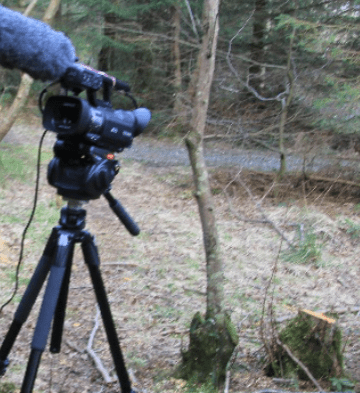

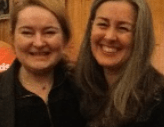
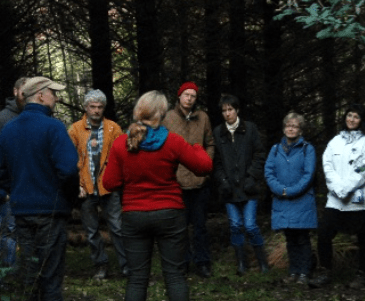


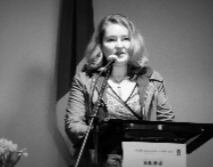

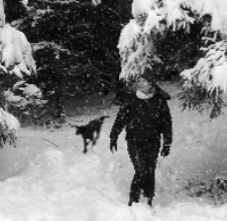
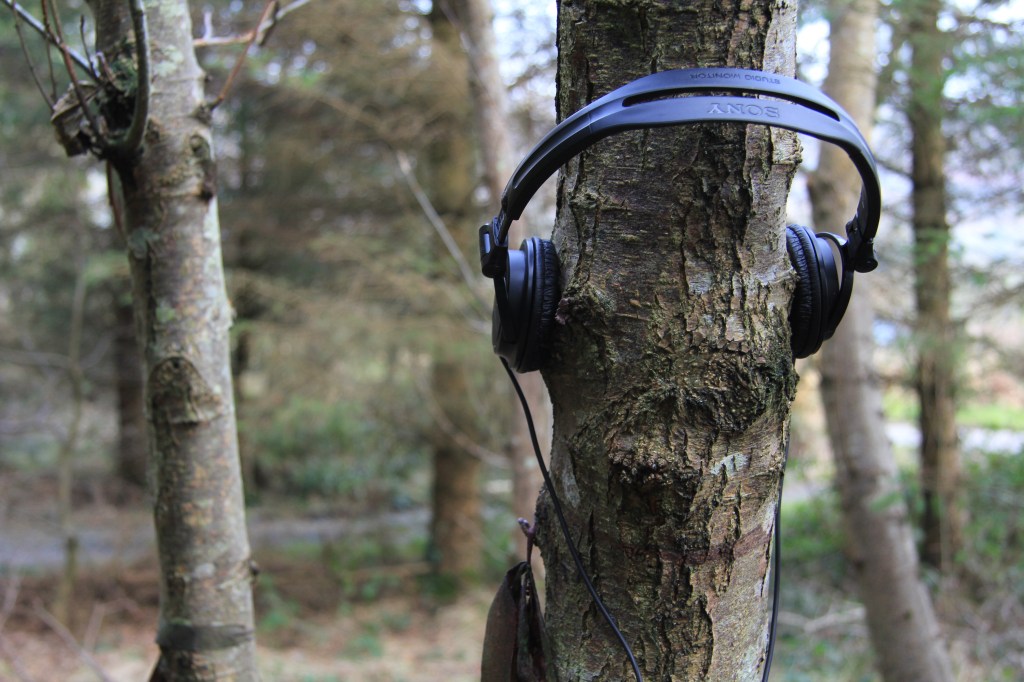


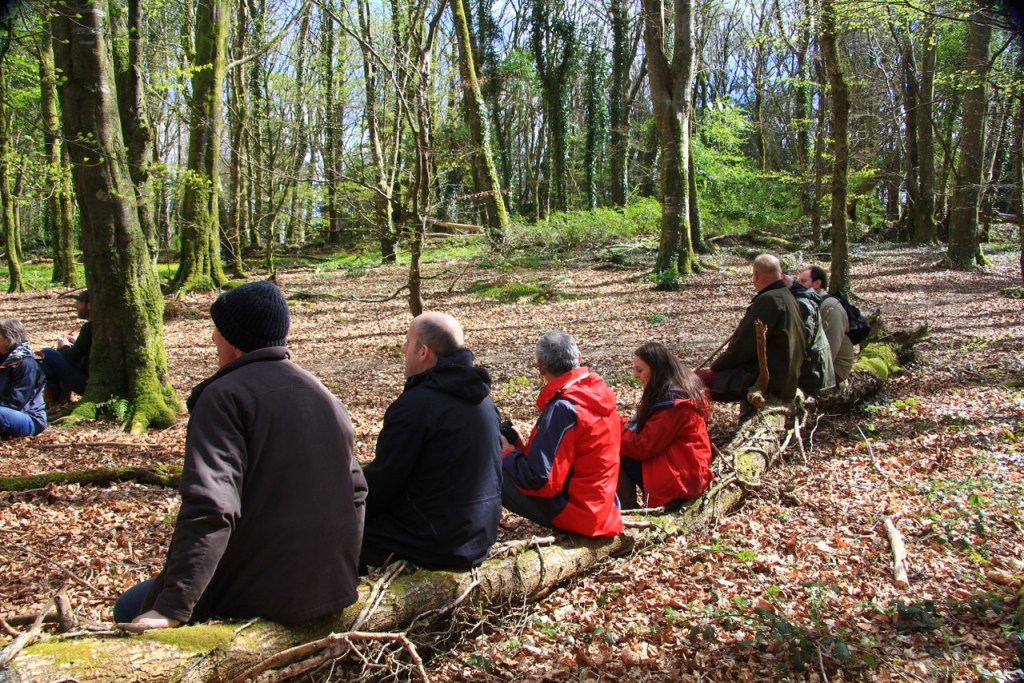

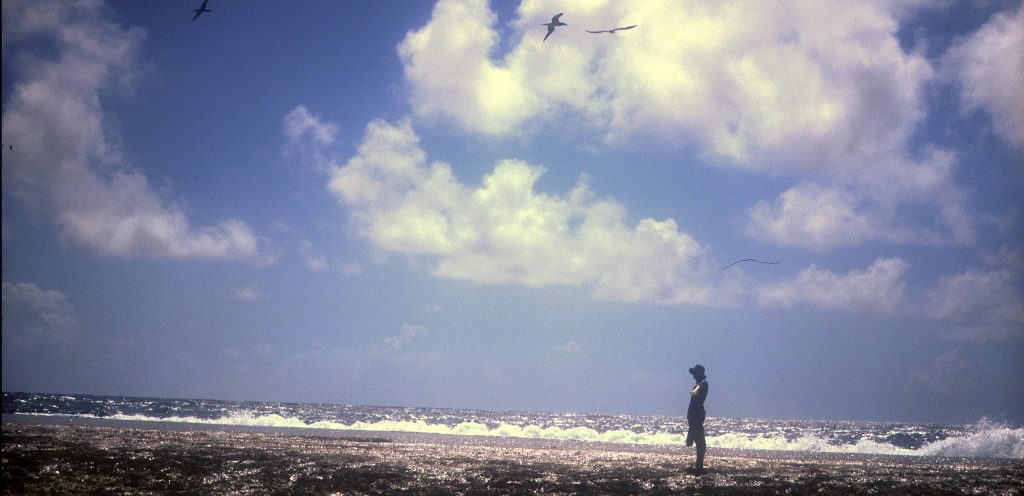


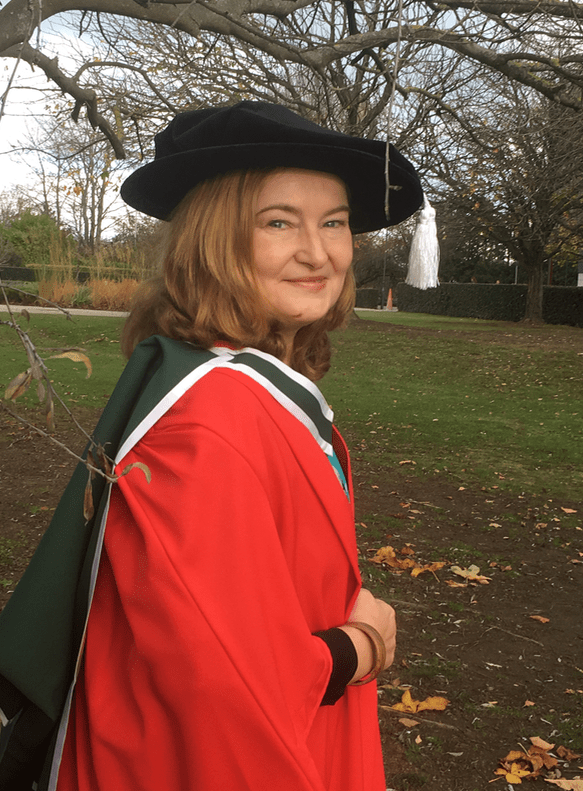
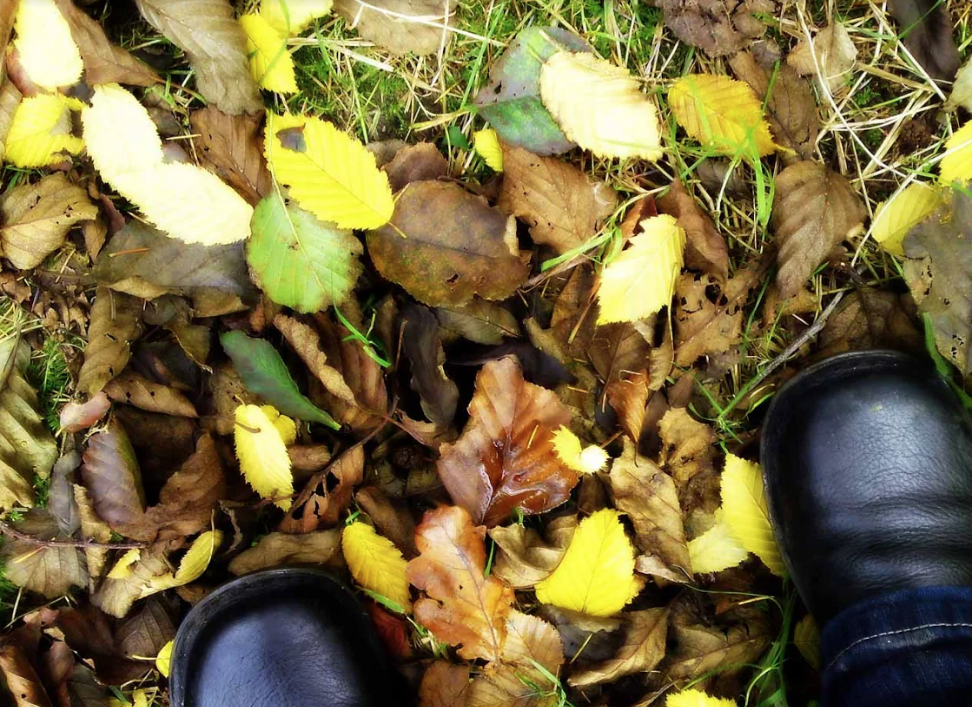

Eco-social creative practices develop ecoliteracy and agency for myself and my followers to rethink a new forestry for Ireland. I use photography, video, writing, blogging and my practice has led me to take a political stand for forests and against the crime of ecocide.
My teaching through Haumea Ecoversity, since 2019, is inviting more and more creatives and educators, researchers, rewilders and change-agents to likewise step towards a more caring ecological era, the Symbiocene.
The values, the ecological ethos in my practice, teaching and mentoring is inspired by:

Affiliations
- Research Fellow, Burren College of Art
- Accredited ESD Earth Charter Educator since 2021
- Ecoliteracy creative practice Advisor & Committee Member for Carlow Drummin Bog since 2017; Carlow Arts Office-led Gnathoga Nadurtha | Natural Habitats Irish Arts Council 2022-2024
- Member of Climate Cultures
- An invited member of the International Network of Eco Artists (established in 1999) since 2016, nominated by Dr Richard Povall and Dr David Haley
- former art.earth network UK
- Visual Artists Ireland
- Create Ireland – the development agency for collaborative arts in social and community contexts
- Member and former committee member of ProSilva Ireland – promoting Closer-to-Nature forestry
